
Construction Finance in Forster
Book a Complimentary Home Loan Discussion
Start your property journey with our team.
Thank you for contacting Into Finance Lending Solutions.
We will get back to you as soon as possible.
Oops, there was an error sending your message.
Please try again later.
We're here to guide you every step of the way.

Building Loans Without the Headaches
Construction loans work differently to standard home loans and the differences matter. If you’re planning a build, construction finance in Forster needs to be structured around your contract, your build timeline, and the way lenders release funds. At Into Finance Lending Solutions, we guide you through that process from the start, so you know what’s required before the first invoice lands.
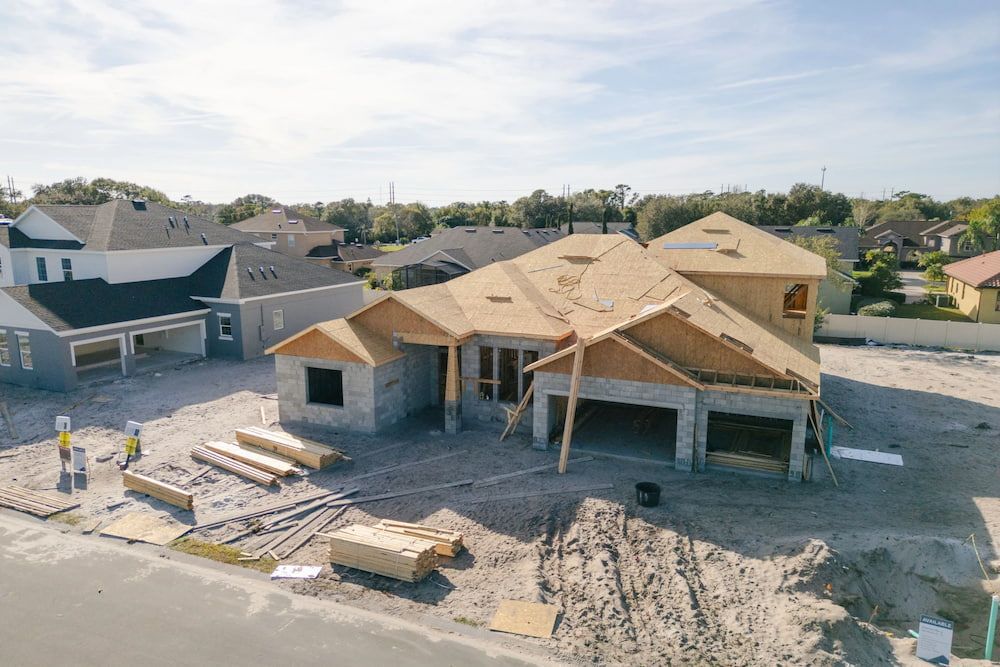
Most construction loans are paid out in stages (often called progress payments), with the lender releasing funds as each milestone is completed and verified. You generally only pay interest on the amount drawn so far, not the full approved limit, which can help manage cash flow during the build. To avoid delays, lenders usually need a fixed price building contract, detailed plans, council approvals and builder quotes upfront. We help you line all of that up clearly, then keep the finance moving as your build progresses.
Call
(02) 8320 1914
to talk through your build plans and get your construction finance sorted early. We assist prospective builders throughout the Mid North Coast including Forster, Tuncurry, Taree, Old Bar, Nabiac, Harrington, Pacific Palms, Diamond Beach and surrounds.

Progress Payments Made Simple
Once you’re approved, the key to a smooth build is understanding how drawdowns actually work. With Into Finance Lending Solutions, you’ll know what each stage means, what the bank needs to see, and how to keep payments flowing without friction.
Progress payments are typically released at set milestones such as slab, frame, lock up, fixing and completion, after your builder invoices and the lender confirms the work is done. Timing matters here because builders rely on those payments to stay on schedule and delays often come from missing paperwork or unclear costings. We stay involved throughout the build phase, helping you respond quickly to lender requests, explaining variations if your build changes, and keeping you aware of your available funds at each step.
Whether you’re building your first home or managing a more complex project, our job is to make the finance side feel steady and predictable while you focus on the build itself.
Borrowers Guide to Construction Loans
The Borrowers Guide to Construction Loans has been designed to assist consumers gain a better understanding on how the construction lending process works and the specifics associated with construction lending and building a home. The process can be confusing and overwhelming at times, but when you understand the basic process, you will be much more prepared.
Click below to download our guide.
Frequently Asked Questions
How is a construction loan different from a regular home loan?
Instead of receiving the full amount at settlement, construction loans are released in stages as building progresses. You’re usually charged interest only on what’s been drawn to date during construction.
What documents do lenders typically need for construction finance?
Most lenders require a signed fixed price building contract, council approved plans, builder insurance details, a progress payment schedule and your standard income and expense documents.
What are progress payments and why do banks use them?
Progress payments are staged releases to your builder after each construction milestone is completed and verified. Banks use them to match funding to completed work and reduce risk for everyone involved.
Who pays the mortgage broker?
In most cases, you don’t directly pay anything to use a mortgage broker.
Your broker is usually paid by the bank or lender once your home loan settles. This payment is in the form of a commission.
Why not go direct to the bank
- One bank = one set of options.
A bank can only offer its own home loans, even if another lender has a better rate or features.
- Brokers compare multiple lenders for you
A mortgage broker compares loans from a range of banks and lenders to find the most suitable option for your situation.
- Brokers must act in your best interests
Mortgage brokers are legally required to put your interests first when recommending a loan. Banks are not governed by best interst duty (BID).
- Save time and reduce stress
Instead of visiting multiple banks and repeating your story, a broker handles the comparisons, paperwork, and lender communication.
- Help with first‑home buyers and complex scenarios
Brokers can assist with government schemes, smaller deposits, self‑employed income, and lender policies that you may not be able to access directly.
- No extra out of pocket cost to you
In general a standard residential home loan has no upfront charge from a broker.
What happens if I don’t find a home before my pre‑approval expires?
This is very common — and nothing to worry about.
- Pre‑approvals don’t last forever
Most pre‑approvals are valid for a few months. This just means the bank wants to make sure your details are still up to date.
- If it expires, you’re ok
You don’t lose your chance to buy, and it doesn’t reflect badly on you. The pre‑approval simply runs out.
- We can usually renew it
If your situation hasn’t changed, we can often extend the pre‑approval or re‑apply quickly using updated documents.
- Your borrowing amount may be reviewed
When renewing, the lender may recheck things like income, expenses, or interest rates. Your borrowing power might stay the same, go up, or (sometimes) come down.


